
Raising Children Who Run with Endurance.
A 5-Day Family Devotion for Facing Life’s Discomforts with Faith
Parent’s Introduction
As a ministry working with people who struggle with addiction, we’ve learned that life brings trials, waiting, and frustration. It’s best to be prepared for them. At the root of many addictions are two simple mistaken beliefs:
Myth One: Life has to be easy and fun
Myth Two: It’s best to escape and avoid discomfort.
Scripture, however, speaks differently. Hebrews 12 pictures the Christian life as a race run with endurance. These brief devotions invite families to consider how God uses ordinary challenges to form patience, honesty, and character.
We hope these devotions will give you and your family an opportunity to discuss God’s word in ways that build up and strengthen your faith and confidence in Christ.
To learn more about Resilient Recovery, click the button below and sign up for 3 emails in 3 days, packed with resources and information about our ministry.
Day One: The Blessing of Self-Forgetfulness
“Do nothing from selfish ambition or conceit, but in humility regard others as better than yourselves. Let each of you look not to your own interests, but to the interests of others.” (Philippians 2:3-4)
The word “self-conscious” almost never refers to something good. Usually, we use it to say we feel uncomfortable, nervous, or awkward.
I know a pastor who used to be very self-conscious when he preached. He focused on himself—that his palms were sweaty, his stomach had butterflies, or his mouth was dry. He’d think, “My voice sounds nervous,” or “Oh, no. I look stupid!” He used to pray a self-conscious prayer: “Lord, don’t let me make a fool of myself while I am preaching.”
The verse above tells us the solution to the pastor’s problem. When we are too self-conscious, it’s time to be less self-aware and more aware of God and others. When we focus on Jesus and those Jesus has put in our path, he can give us the blessing of self-forgetfulness.
The nervous pastor took this lesson to heart. He changed his prayer to one focused on God and others: “Lord, if I make a fool of myself, use it to point others to you.” He actually likes Sunday mornings now.
Question: When do you notice yourself being self-conscious—thinking too much about how you look, sound, or what others are thinking about you?
Prayer: Jesus, when we feel nervous or awkward, turn our eyes away from ourselves and toward you. Help us care for others instead of worrying about how we are doing. Be our strength when we feel weak. Amen.
Day Two: Painful lessons
No discipline seems pleasant at the time, but painful. Later on, however, it produces a harvest of righteousness and peace for those who have been trained by it. (Hebrews 12:11)
Liam is an eighth grader who is struggling in History class. Because History is hard for him, Liam zones out in class, waits until the last minute to do his work, and tells everyone he doesn’t care. Sometimes, he says the teacher is the problem: “He is boring and doesn’t explain things.” The one thing he doesn’t do is spend extra time and effort on a subject he doesn’t enjoy.
It’s understandable that Liam tries to protect himself from feeling bad about History class.
But the writer of Hebrews says something important: Discipline pays off, even if it feels unpleasant at the time. Discipline can come in the form of challenging classes, chores we don’t like, or rules we wish we didn’t have to follow. But we can face these difficulties with God’s help. And we can remember that sticking with hard things can train us for a better future, now and in eternity.
Question: What is something that feels hard right now but might be training us for later?
Prayer: Jesus, help us tell the truth when things are hard, and trust that you are with us when we need help. Amen.
Day Three: Blessed are those who mourn
“Blessed are those who mourn, for they will be comforted.” (Matthew 5:4)
We can feel sad when we lose things big or small. Losing a close relative can make us very sad. But even losing something small, like a contest or a spot on a team, can make us sad. Sadness also comes to us when things end. The ending of a friendship, or a camp, or a special year in school can make us sad. Moving can make us sad, too. For young children, even the end of the day and having to go to bed can bring out the tears.
Most of us don’t like feeling sad. So we try to distract ourselves to get rid of the feeling—or we rush through things that are sad so we can move on. Unfortunately, that will never make things better.
Instead, we should learn what Jesus means when he says, “blessed are those who mourn.”
Jesus is saying he wants us to be honest. To be honest about things being sad. Honest about the times we sin and mess up. Honest about the broken and painful aspects of life. Honest about disappointments, setbacks, lost opportunities, failing a test, losing a friend, being left out, getting in trouble, or wishing things were different.
Jesus promises to comfort us when we mourn. So, we can face life with honesty, even when it makes us mourn.
Question: What feeling do you usually try to get rid of as fast as possible?
Prayer: Jesus, help us not rush past sadness or frustration. Stay with us when things hurt, and teach us to wait for your comfort. Help us to be a comfort to others. Amen.
Day Four: Blessed are the meek
“Blessed are the meek, for they will inherit the earth.” (Matthew 5:5)
Roman soldiers greatly valued meekness in their warhorses. A meek warhorse was not a timid horse. It was a powerful horse that responded to its rider’s directions in the middle of the frightening sights and sounds of battle. A meek horse controlled its power and submitted to its owner’s commands. It didn’t want to take control; it wanted to serve.
That’s the picture of meekness Jesus was talking about when he said, “Blessed are the meek.” The meek don’t want all the credit; they don’t want all the praise; they don’t need to be a big shot.
Children and teens who are meek recognize the legitimate authority of their parents and school. They don’t make everything about themselves; they take direction, serve humbly, and learn self-discipline by accepting the leadership of the adults in their lives.
Jesus promises that the meek will inherit the earth. The proud, he boastful, and the rebellious will come to ruin. But the meek shall inherit the earth.
Question: Where is one place God is calling you to listen and obey, even if you don’t feel like it?
Prayer: Lord Jesus, you were strong and gentle, powerful and humble. Help us use our strength to serve and not to push our own way. Make us meek, and shape our hearts to follow you. Amen.
Day Five: Blessed are the persecuted
“Blessed are those who are persecuted because of righteousness, for theirs is the kingdom of heaven.” (Matthew 5:10)
It would be great if everyone wanted us to do the right thing. But sometimes, when we do good, people push back.
They might make fun of us, put us down, or try hard to get us to do the wrong thing. And if we give in, they may like us again. That feels backwards—but it’s part of living in a broken world.
Jesus knows that being treated badly for doing good hurts. He doesn’t pretend it feels nice. But he promises that you are blessed when you hold on to what is right.
Jesus was mocked, insulted, and hurt for doing what was good and true. When you suffer for doing good, Jesus sees you. And he promises that the kingdom of heaven belongs to you. So keep doing what is right, even when it’s hard.
Question: Have you ever felt pushback for doing the right thing?
Prayer: Lord Jesus, you know what it is like to be persecuted for doing the right thing. Help us hold on and do what is right with your help. Amen.
Who is Resilient Recovery?
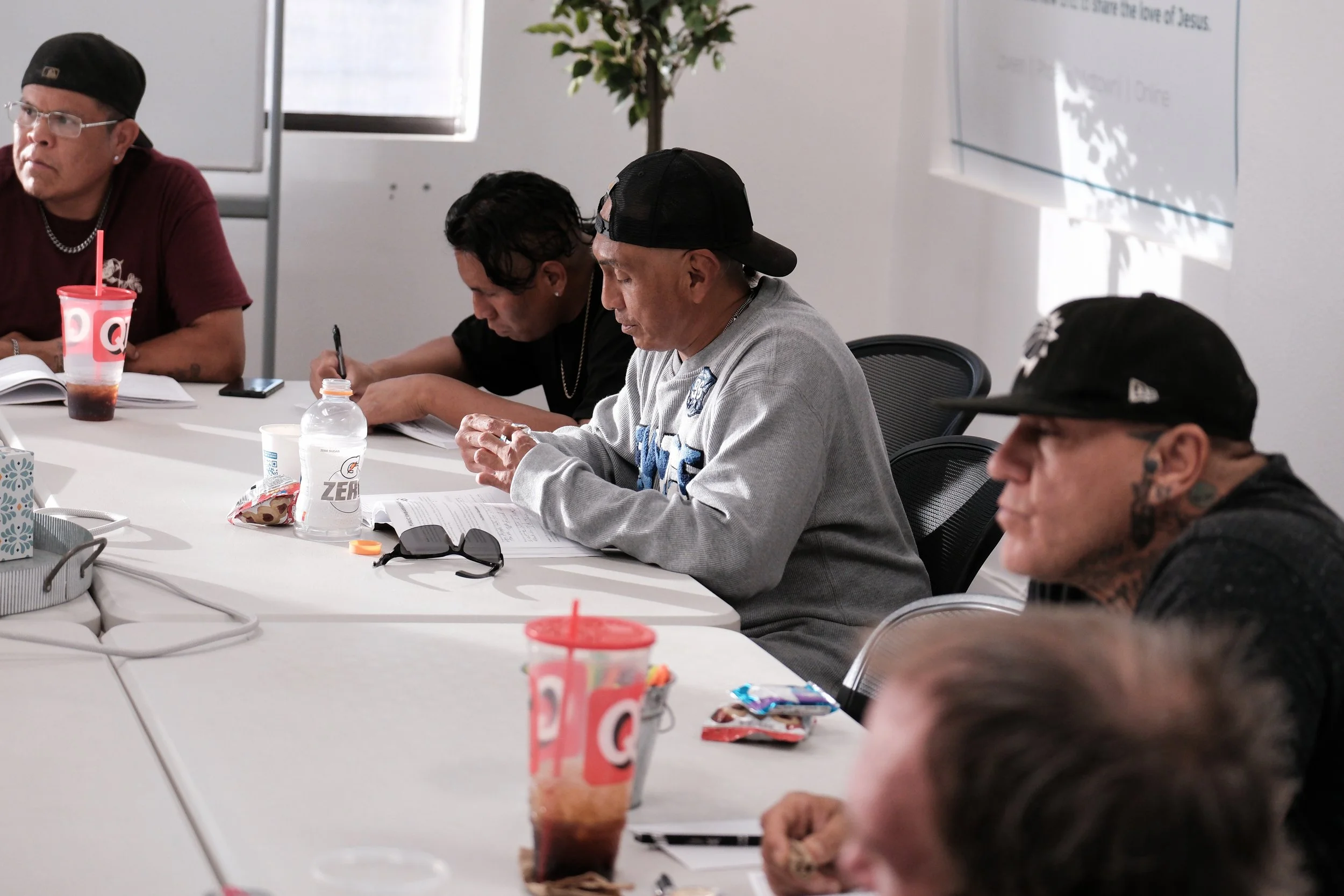
Resilient Recovery connects people in addiction recovery with trained church members to discuss God’s word together. These devotions are our gift to you—they represent what we’ve learned from studying God’s word with people in recovery.